INTRODUCTION
Neurology is a medical specialty that focuses on the diagnosis and treatment of conditions affecting the brain, spinal cord, and nerves. Neurologists are medical professionals who specialize in the field of neurology, and they are trained to identify and treat a wide range of neurological disorders.
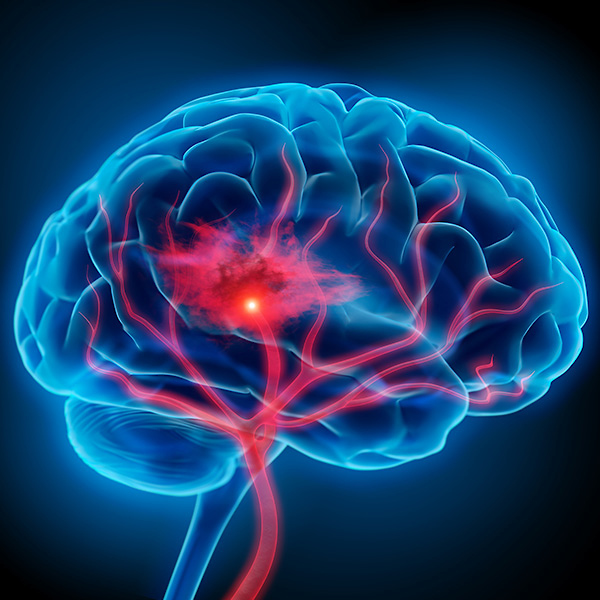
One of the most common conditions that neurologists diagnose and treat is stroke. A stroke occurs when blood flow to the brain is interrupted, causing brain cells to die. Neurologists can diagnose strokes through imaging studies such as CT scans or MRIs, and they can provide treatments such as blood thinners or clot-busting medications.
#2. Neurologists
Neurologists also diagnose and treat conditions such as epilepsy, multiple sclerosis, and Parkinson's disease. These conditions can cause a range of symptoms, from seizures and muscle weakness to tremors and difficulty with movement. Neurologists can prescribe medications or recommend other treatments, such as physical therapy, to help manage these symptoms.
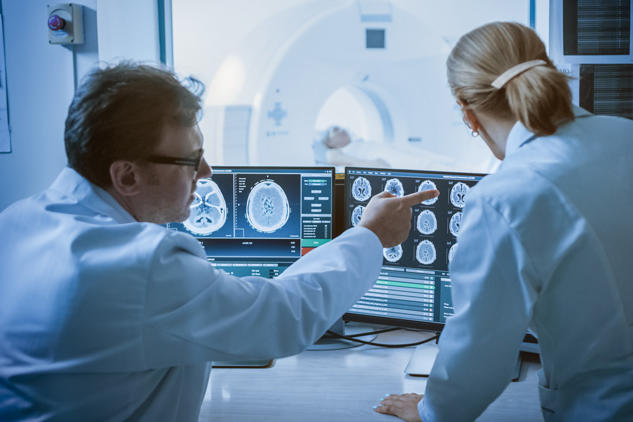
Another area of focus for neurologists is neuromuscular disorders. These are conditions that affect the nerves that control muscle movement, causing weakness or paralysis. Neurologists can diagnose and treat conditions such as muscular dystrophy, ALS, and myasthenia gravis.
In addition to diagnosing and treating specific conditions, neurologists also play a role in preventative care. They can identify risk factors for conditions such as stroke and dementia and provide recommendations to help reduce these risks. Neurologists can also provide guidance on lifestyle changes, such as exercise and healthy eating, to promote overall brain health.
Neurologists may work in a variety of settings, including hospitals, clinics, and research facilities. They may collaborate with other medical specialists, such as neurosurgeons, to provide comprehensive care for patients with complex conditions.
In conclusion, neurology is a specialized medical field that focuses on the diagnosis and treatment of conditions affecting the brain, spinal cord, and nerves. Neurologists can diagnose and treat a wide range of conditions, from stroke and epilepsy to neuromuscular disorders. They also provide preventative care and collaborate with other medical specialists to provide comprehensive care to patients. If you are experiencing symptoms that may be related to a neurological condition, it is important to seek out the services of a neurologist for diagnosis and treatment.